Interior Painting Contractors insurance · Nationwide
Coverage built for working inside someone's home
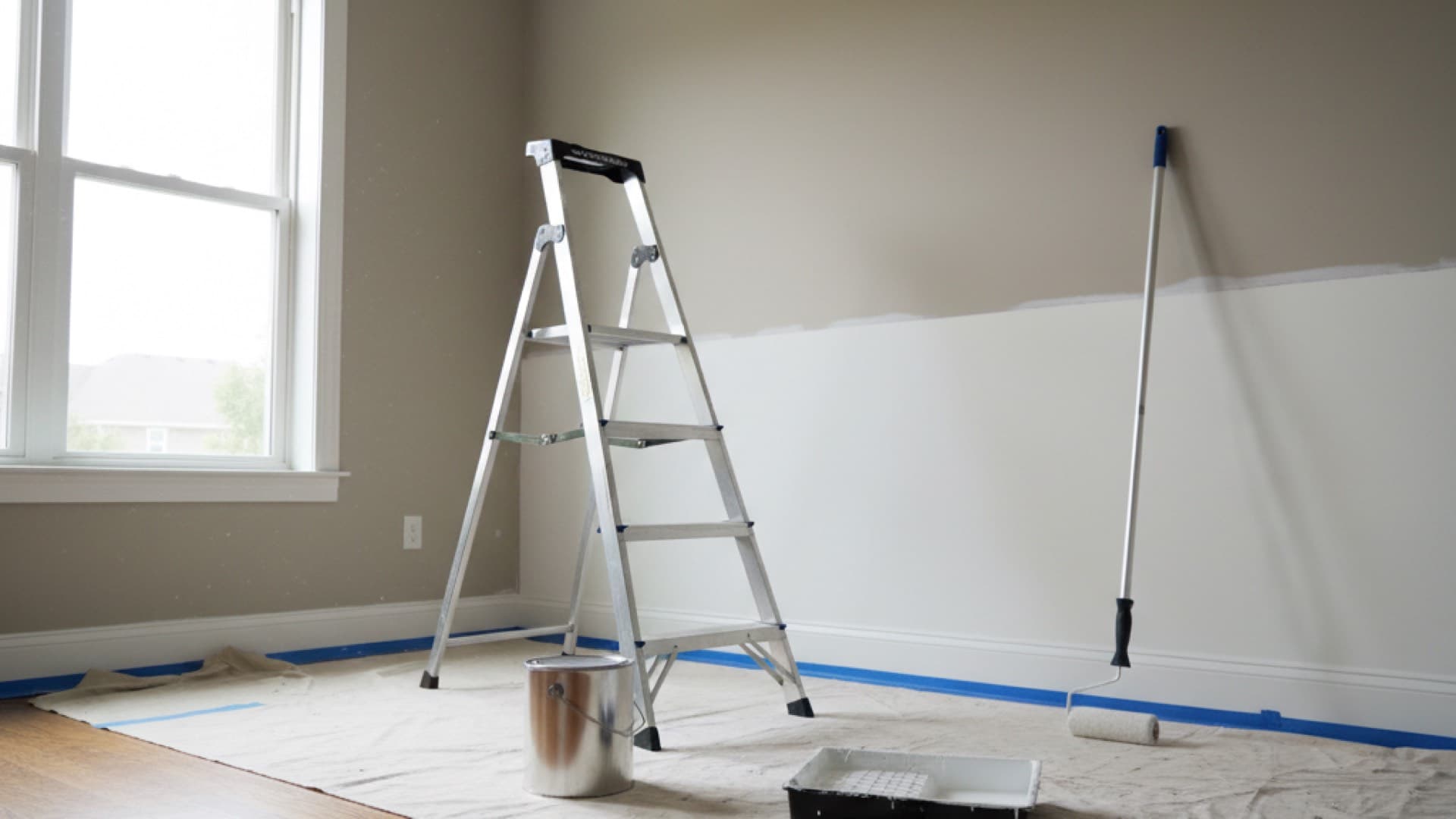
Splattered furniture, a knocked-over paint can on hardwood floors, fumes in an occupied house. Interior work means your risk lives inside a client's home, not on a ladder outside it. We connect you with specialists who understand that difference.
Ready now
Start your quote
One short page. A licensed interior painting contractor specialist compares A-rated carriers and calls you back.
Still figuring it out
See what your work requires
Use our Compass to learn exactly what your specific use case might require.
Open the Compass →Where interior painting contractors get exposed
These are the scenarios our specialists see most often in your industry.
Hover a moment in the day to see the risk
Coverage interior painting contractors carry
Interior painting is done inside somebody's finished home or a business that is still trading. The exposure is rarely dramatic. It is the client's floors, furniture and trading hours, plus the air quality in a room your crew is sealed into all day.
General Liability
Third-party property damage and injury. Spills, splatter, and damage to floors, furnishings, and finishes.
Nearly every claim in this trade is small, quick and about the client's property rather than anybody's health. Frequency is what carriers rate, not severity.
Workers' Compensation
Medical bills and lost wages for falls from step ladders and reactions to solvent and VOC exposure.
Required once anyone is on payroll. Enclosed rooms concentrate solvent fumes, so expect questions about ventilation as well as about ladders.
Commercial Auto
Vans carrying paint, drop cloths, and step ladders: liability, collision, and hired or non-owned autos.
Short local trips are still business use, which personal auto excludes. Hired and non-owned matters here because crews often drive themselves between houses.
Tools & Equipment
Sprayers, sanders, step ladders, and drop cloths stolen from the van or damaged on site.
Less kit than an exterior crew, but it moves house every few days and sits in the van overnight, which is precisely where property policies stop covering it.
Commercial Property
Your shop, stored paint, and shop equipment against fire, theft, and storms.
Only needed once you hold stock or lease space. Stored solvent is the detail that changes the quote, so declare how much you keep and how it is stored.
FAQFrequently Asked Questions
General liability covers third-party property damage, including spilled paint or finish damage to floors, carpet, or furniture inside a client's home, one of the most common interior-painting claims.
Interior work concentrates property-damage-inside-an-occupied-home risk, spills, overspray, fumes, rather than exterior painting's height and weather-related exposure. We price the two differently rather than treating all painting the same.
Yes: EPA Lead-Safe (RRP) rules apply to disturbing paint anywhere in a pre-1978 home, interior surfaces included, not just exteriors.
General liability can respond to injury claims tied to your work, including fume-related complaints. Proper ventilation and low-VOC product use also help reduce this risk before it becomes a claim.